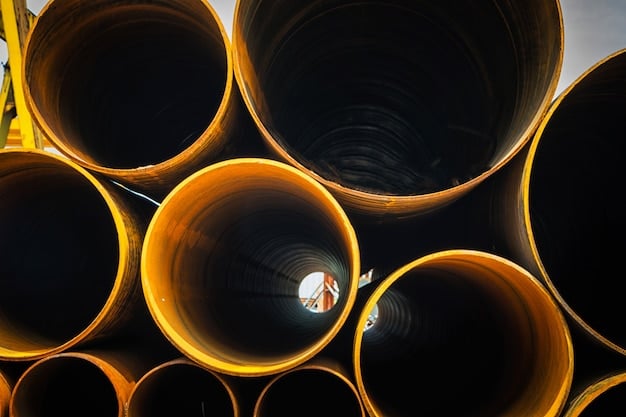
The global demand for energy is relentless. From powering our homes and cities to fueling transportation, oil and gas are indispensable. But how do we get to these essential resources buried deep beneath the Earth’s surface? The answer lies in a workhorse of the industry: Oil Country Tubular Goods (OCTG).
CNPS, a company with a rich history of providing top-notch OCTG products, understands the critical role these steel pipes play. Today, CNPS has evolved into a leading energy solutions provider, but its foundation in OCTG ensures a deep understanding of the very tools that keep the energy sector running.
This comprehensive guide will equip you with everything you need to know about OCTG, from its essential functions to the various types and their applications. We’ll take a look into the manufacturing process, key considerations when selecting OCTG, and the future outlook for this vital sector.
Demystifying OCTG: The Backbone of Oil and Gas Wells

So, what exactly are Oil Country Tubular Goods? In essence, they are specialized high-strength steel pipes designed for the harsh environment of oil and gas wells. These tubular goods face immense pressure, extreme temperatures, and corrosive elements. They form the backbone of a well, playing a critical role in:
- Drilling: OCTG creates a strong and stable wellbore, allowing drilling equipment to reach target depths.
- Production: Once oil and gas are discovered, OCTG acts as conduits, channeling these resources to the surface for processing.
- Injection: In some cases, OCTG are used for injection purposes, such as pumping water or other fluids back into the reservoir to maintain pressure and enhance recovery.
The demanding nature of these applications necessitates specific features in OCTG:
- High Strength: They must withstand immense pressure exerted by the Earth’s layers and the weight of drilling fluids.
- Corrosion Resistance: OCTG encounters highly corrosive substances like hydrogen sulfide and salt water.
- Durability: They need to endure high temperatures generated during drilling and production.
- Seamless Construction: A continuous, seamless design minimizes weak points and ensures structural integrity.
A World of OCTG: Different Types for Different Needs
Not all Oil Country Tubular Goods are created equal. The industry utilizes various types, each designed for specific good conditions and applications. Here’s a breakdown of the most common ones:
Casing: The Foundation of the Wellbore
Imagine casing as the steel skeleton of a building. It’s the very first OCTG component installed in a well and serves several critical purposes:
- Structural Support: The casing provides the primary structural reinforcement for the wellbore. It prevents the well from collapsing due to the immense pressure exerted by the surrounding rock formations. Think of it as holding back the tons of earth pressing down on the well.
- Zonal Isolation: Casing strings isolate different geological zones encountered during drilling. This prevents fluids from migrating between these zones, ensuring wellbore stability and preventing contamination.
- Protection from Formation Fluids: Casing shields the wellbore from corrosive fluids like saltwater and hydrogen sulfide commonly found underground.
- Well Control: During drilling operations, casing plays a crucial role in well control. It allows for the circulation of drilling mud, which helps maintain pressure balance and prevents unwanted fluids from entering the wellbore.
The casing comes in various grades and weights, designated by a letter-number combination (e.g., J55, K55, N80). These designations indicate the minimum yield strength of the steel. Stronger grades, like P110 and Q125, are used for deeper wells with higher-pressure environments.
2. Tubing: The Conduit for Production
Once a well reaches the target oil or gas reservoir and casing is installed, tubing takes center stage. This is the workhorse for production:
- Production Flow Path: Tubing provides a smaller diameter conduit for the extracted oil and gas to flow from the reservoir to the surface. It’s designed to handle the pressure and flow rate of the produced hydrocarbons.
- Artificial Lift Operations: In some cases, tubing serves as the conduit for artificial lift equipment, such as sucker rods or gas lift systems, that assist in bringing oil and gas to the surface when natural reservoir pressure is insufficient.
Tubing, like casing, comes in various grades depending on the well’s depth, pressure, and production requirements. However, a key difference is that tubing needs to be designed for lighter weight to minimize the load on the wellbore while still maintaining sufficient strength.
3. Drill Pipe: The Workhorse of Drilling

Drill pipe is the unsung hero of the drilling process. These heavy-duty, seamless steel pipes form the backbone of the drilling string, the long assembly that rotates the drill bit at the bottom of the well. Here’s what drill pipe accomplishes:
- Rotation and Power Transmission: The drill pipe transmits torque from the surface rig to the drill bit, allowing it to rotate and break through rock formations.
- Mud Circulation Channel: Drill pipe acts as a conduit for drilling mud, a critical fluid that cools and lubricates the drill bit, removes rock cuttings, and maintains wellbore pressure.
- Durability under Stress: Drill pipe endures immense stress during drilling. They need to withstand the weight of the drilling string, the torque applied for drilling, and the pressure exerted by the drilling mud.
Drill pipes are available in a variety of sizes and thicknesses, tailored to the depth of well and the drilling conditions. Thicker-walled drill pipe is used for deeper wells and higher-pressure environments. Special drill pipe connections are engineered to withstand high torque and weight encountered during drilling operations.
4. Couplings: The Unsung Heroes of Connection
Couplings may seem like a minor detail, but they play a critical role in ensuring the integrity of the entire well. These threaded connectors join individual Oil Country Tubular Goods sections to create a continuous and leak-proof wellbore. Here’s why couplings are so important:
- High-Pressure Seals: Couplings create a strong, leak-proof connection between OCTG sections. This is essential for preventing wellbore fluids from escaping and maintaining pressure control during drilling and production.
- Load Bearing Capacity: Couplings need to be robust enough to withstand the immense weight exerted by the drilling string or the pressure of produced fluids during operation.
- Variety of Designs: Different types of couplings exist, each designed for specific applications and load requirements. For example, some couplings are suited for high-pressure environments, while others prioritize ease of connection and disassembly.
From Mill to Well: The OCTG Manufacturing Process
The journey of an OCTG pipe starts at a steel mill. Here, high-quality steel is formed into slabs, which are then heated and rolled into seamless tubes. The process involves several crucial steps:
- Hot Rolling: The steel is heated to a high temperature and then forced through a series of rollers to achieve the desired thickness and diameter.
- Piercing: A mandrel pierces a hole through the center of the rolled steel, creating a hollow tube.
- Rolling and Sizing: The pierced tube undergoes further rolling to achieve the final dimensions and wall thickness.
- Heat Treatment: Controlled heating and cooling processes enhance the mechanical properties of the OCTG, such as strength and ductility.
- Non-Destructive Testing (NDT): Rigorous inspections are conducted using techniques like ultrasonic testing and X-ray radiography to ensure the absence of defects that could compromise the pipe’s integrity.
- Threading and Coupling: The ends of the OCTG are threaded to facilitate connection using specialized couplings.
- Coating: Depending on the application, the oil country tubular goods may be coated with corrosion-resistant materials like epoxy or zinc to further enhance their lifespan.
Selecting the Right OCTG: A Crucial Decision
Choosing the appropriate OCTG for a well requires careful consideration of various factors:
- Wellbore Conditions: Depth, pressure, temperature, and formation characteristics all play a role in selecting the most suitable grade and type of OCTG.
- Application: Whether for drilling, production, or injection, it will influence the specific requirements for strength, corrosion resistance, and flow characteristics.
- Regulatory Compliance: OCTG must meet stringent industry standards and regulations set by organizations like the American Petroleum Institute (API).
- Cost-Effectiveness: Balancing the upfront cost of OCTG with their expected lifespan and performance in the well is crucial.
The Future of OCTG: Innovation and Sustainability

The oil and gas industry is constantly evolving, and the need for efficient and reliable OCTG remains paramount. Here are some key trends shaping the future of OCTG:
- Advanced Materials: Research and development are ongoing to create even stronger and more corrosion-resistant steel grades for oil-country tubular goods.
- Smarter OCTG: Integration of sensors and monitoring systems within OCTG can provide valuable real-time data on wellbore conditions, allowing for more informed decision-making.
- Sustainable Practices: The industry is focusing on minimizing the environmental impact of OCTG production and exploring options for using recycled steel content.
Partnering for Success: How CNPS Can Help
As the energy sector faces evolving demands, CNPS stands as a reliable partner. With a strong legacy in OCTG and a dedication to innovation, CNPS offers a comprehensive range of high-quality tubular goods. Their commitment goes beyond supplying products; they provide:
- Expert Consultation: CNPS’s team of experienced engineers can assist in selecting the optimal OCTG solutions for your specific well requirements.
- Stringent Quality Control: Their unwavering commitment to quality ensures each Oil Country Tubular Goods meets the highest industry standards.
- Global Reach and Support: CNPS has a well-established network that provides reliable supply and technical support throughout your well’s lifecycle.
By partnering with CNPS, you gain access to not just industry-leading OCTG products but also a wealth of knowledge and expertise. Their commitment to innovation ensures you have access to the latest advancements in this crucial sector.
Contact CNPS today to discuss your Oil Country Tubular Goods requirements and discover how they can help you navigate the ever-changing world of oil and gas exploration and production. Their team is dedicated to providing solutions that optimize well performance, ensure safety, and contribute to a sustainable future for the energy industry.