

The oil and gas industry, one of the most capital-intensive sectors globally, thrives on precise data collection and interpretation to guide efficient drilling operations. Among the suite of sophisticated technologies used in the exploration and development of oil and gas reserves, mud logging units play a crucial role. These specialized units monitor drilling mud, collect rock samples, and gather data on various drilling parameters, all of which provide real-time insights into subsurface conditions.
Such data not only aids in enhancing drilling efficiency but also helps prevent accidents and optimize production. Understanding the significance, working mechanism, and evolution of mud logging units is essential for appreciating their pivotal role in modern drilling operations.
The Purpose of Mud Logging Units
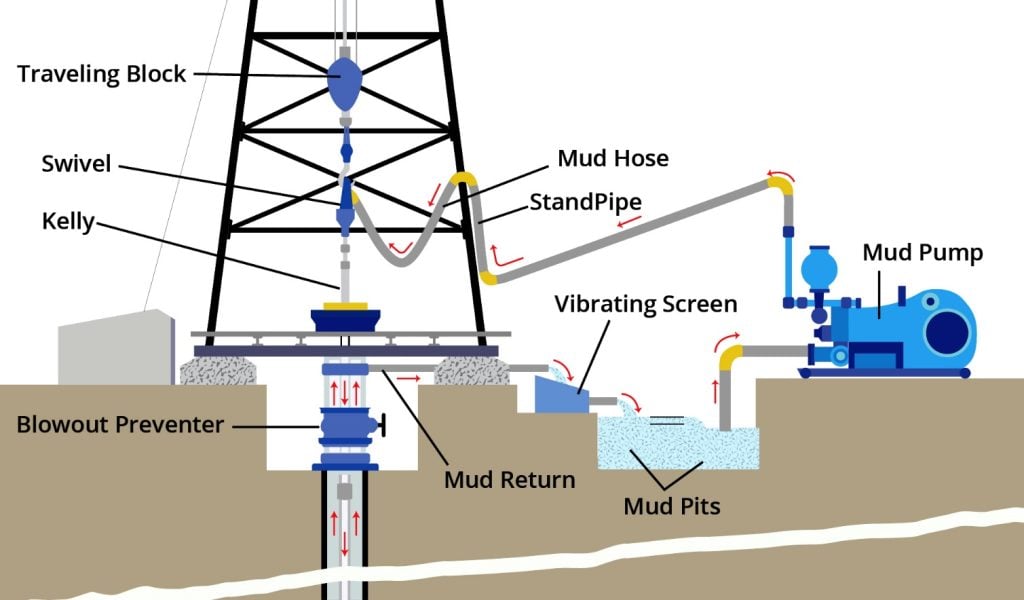
Mud logging, in simple terms, refers to the process of monitoring and analyzing the drilling mud and the rock cuttings it carries to gather subsurface data. Drilling mud, also known as drilling fluid, is circulated down the drill pipe, where it cools and lubricates the drill bit and brings cuttings (small fragments of rock) back to the surface. The logging unit collects and analyzes these cuttings to understand the geological formations the drill is penetrating.
Mud logging units, as specialized installations, provide continuous, real-time data on the composition of these cuttings, along with a range of other parameters such as the drilling rate, gas content, and fluid properties. This data is crucial for geologists, engineers, and drilling supervisors who rely on the insights to make informed decisions on well progression, wellbore stability, hydrocarbon presence, and potential hazards like kicks (a sudden influx of formation fluid into the wellbore). Thus, mud logging units are a critical part of any drilling operation, ensuring both safety and efficiency.
Further Reading: The Importance Of Mud Logging In The Oil And Gas Industry

Components of a Mud Logging Unit
A typical mud logging unit is composed of several essential components that work together to provide comprehensive subsurface data. These components include:
Gas Detection Systems: These systems measure the concentration of hydrocarbon gases, such as methane, ethane, propane, and butane, which are released from the formation during drilling. Detecting the presence and concentration of these gases helps to determine the proximity to hydrocarbon-bearing formations. Advanced gas chromatography systems may also be used to provide more detailed gas analysis.
Cuttings Collection and Analysis: As the drilling fluid circulates through the wellbore, it brings rock cuttings to the surface. These cuttings are collected, washed, and examined under microscopes to determine lithology and any signs of hydrocarbons. By analyzing these cuttings, mud loggers can identify different rock formations, fractures, and faults that could influence drilling decisions.
Sensors and Data Acquisition Systems: The mud logging unit is equipped with a wide array of sensors that monitor critical drilling parameters in real-time, such as the rate of penetration (ROP), pump pressure, mud weight, and fluid flow rate. These sensors feed data into computerized systems, which are then processed and displayed on monitors for real-time analysis.
Fluorescence Analysis: Mud loggers use ultraviolet light to examine cuttings and fluids for any fluorescence, which is a strong indicator of hydrocarbons. Fluorescent material under UV light signals the potential presence of oil-bearing formations, offering valuable clues about the well’s productivity.
Mud Loggers’ Cabin: The logging unit typically includes a cabin or trailer where the mud logging crew operates. This area is equipped with computers, monitors, and specialized software used to process and interpret the data collected during drilling. Mud loggers work around the clock in shifts, monitoring parameters and preparing detailed logs and reports for drilling engineers and geologists.
Mud Pit Monitoring: The mud pit, where drilling fluid is stored and processed, is a critical area for data collection. Monitoring systems installed in the mud pits measure the volume, density, and flow rate of the drilling mud. Any sudden changes in these parameters could indicate problems such as formation fluid influxes or loss of circulation, both of which are potentially dangerous and costly.
The Importance of Real-Time Data
The real-time data provided by mud logging units is vital for several reasons. First, it allows drilling engineers to make immediate decisions, ensuring that the well is drilled in the most efficient and safe manner possible.
For instance, if gas levels suddenly spike, it could indicate that the drill bit is approaching a gas-bearing zone, and the drilling team can take action to adjust the mud weight to prevent a kick or blowout.
Second, real-time monitoring helps in managing the economics of drilling. Drilling operations are expensive, and any unplanned event can cause costly delays. Continuous monitoring ensures that the drilling operation stays on track, with adjustments being made as needed based on the data. This optimizes resource usage, reducing the time and cost of drilling.
Lastly, real-time data helps with the early detection of potential well control issues. Problems like lost circulation (where the drilling fluid escapes into the formation) or influxes (where formation fluids enter the wellbore) can be identified quickly through monitoring, allowing for swift remedial action. This is critical in avoiding catastrophic events such as blowouts.
Evolution of Mud Logging Technology
Mud logging has evolved significantly since its inception in the 1930s when operators relied primarily on visual inspection of rock cuttings to gather data. The first true mud logging units appeared in the 1950s, providing rudimentary gas detection and rate-of-penetration (ROP) measurements. Over the following decades, the technology improved with the integration of more sophisticated sensors, data acquisition systems, and gas chromatography.
The advent of digital technology and computerization in the late 20th century further revolutionized mud logging. With computers capable of processing large amounts of data in real time, mud logging units became more powerful and precise. Modern systems can now collect a vast range of data, from gas chromatography to advanced lithology analysis, all of which are displayed on digital monitors and integrated into comprehensive reports.
One of the most recent advancements in mud logging technology is the integration of artificial intelligence (AI) and machine learning algorithms. These systems can analyze vast datasets more quickly and accurately than human operators, identifying patterns and anomalies that could indicate potential problems or opportunities. AI can also help optimize drilling parameters, reducing non-productive time and enhancing wellbore stability.
Remote Mud Logging and Automation
In recent years, remote mud logging has gained popularity, especially in offshore and high-risk environments. Remote logging units are installed at the well site, but the data is transmitted to an offsite location where experienced mud loggers analyze it in real time. This not only reduces the number of personnel needed at the well but also allows for expert analysis from teams located anywhere in the world.
Automation is another growing trend in mud logging. Many routine tasks, such as the collection and analysis of cuttings, are now being automated, allowing mud loggers to focus on interpreting the data and making critical decisions. Automated systems can also respond faster to changing conditions, adjusting drilling parameters to prevent problems before they escalate.
The Role of Mud Logging in Well Safety
Safety is a paramount concern in any drilling operation, and mud logging units play an essential role in maintaining it. Well blowouts, one of the most dangerous events in drilling, often result from a failure to recognize and react to changing well conditions. By monitoring gas levels, mud weight, pressure, and other key parameters in real time, mud logging units provide the first line of defense against blowouts.
For instance, if gas detection systems within the mud logging unit identify a rapid increase in hydrocarbon gases, this could signal an influx of formation fluids into the wellbore, a precursor to a blowout. The mud logging crew can alert the drilling team, who may increase the density of the drilling fluid or take other preventive measures.
Additionally, mud logging units help avoid lost circulation, which occurs when drilling fluid escapes into the formation rather than returning to the surface. This issue can lead to significant delays, increased costs, and even well abandonment in extreme cases. By monitoring mud flow rates and pressures, the mud logging unit can detect lost circulation early and allow for timely corrective action.
Order Mud Logging Equipment from CNPS
As drilling environments become more complex, the importance of using advanced mud logging units will only grow, ensuring that operations remain safe, efficient, and productive.CNPS offers cutting-edge mud logging unitstailored to meet the demands of modern drilling operations.
Our advanced technology provides real-time data, precise analysis, and comprehensive monitoring solutions to help you make informed decisions, optimize production, and prevent costly accidents.
Whether you’re looking to upgrade your current setup or equip a new drilling project, CNPS has the expertise and equipment you need. Contact CNPS to learn how our mud logging units can revolutionize your drilling projects and drive success in your exploration efforts!


